The Two Main Figures
-
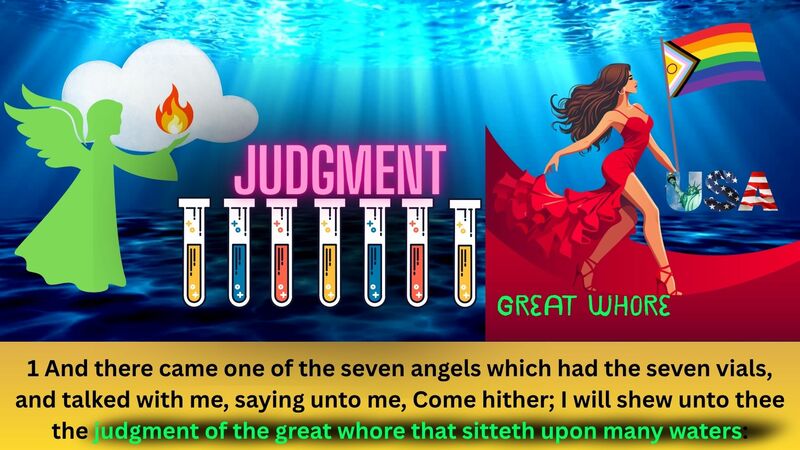
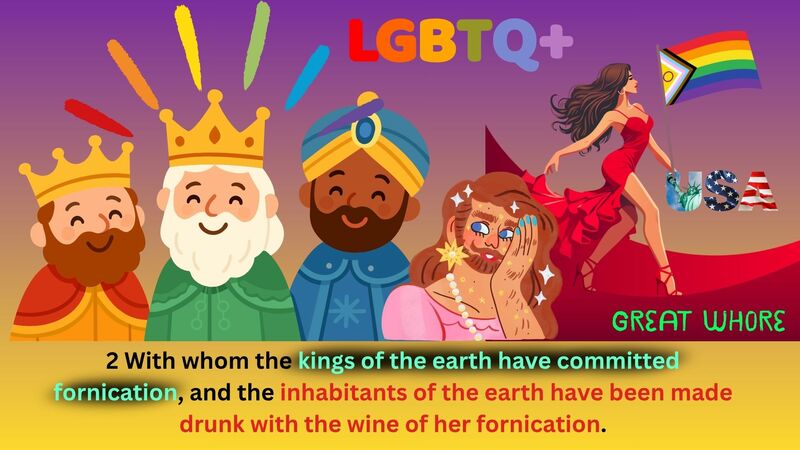
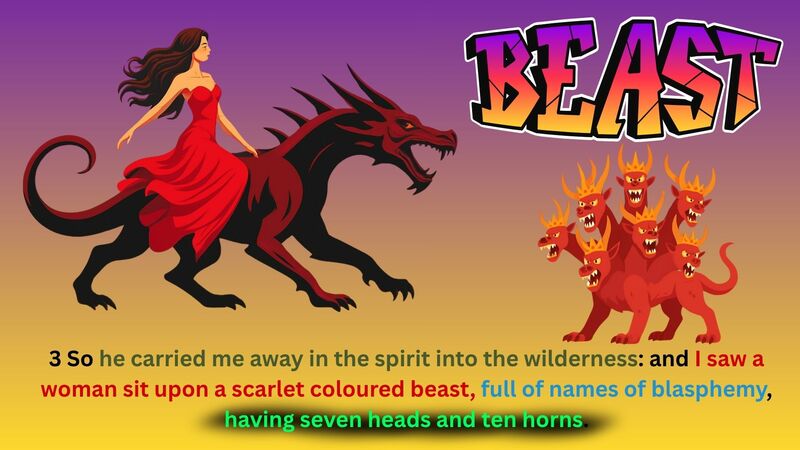
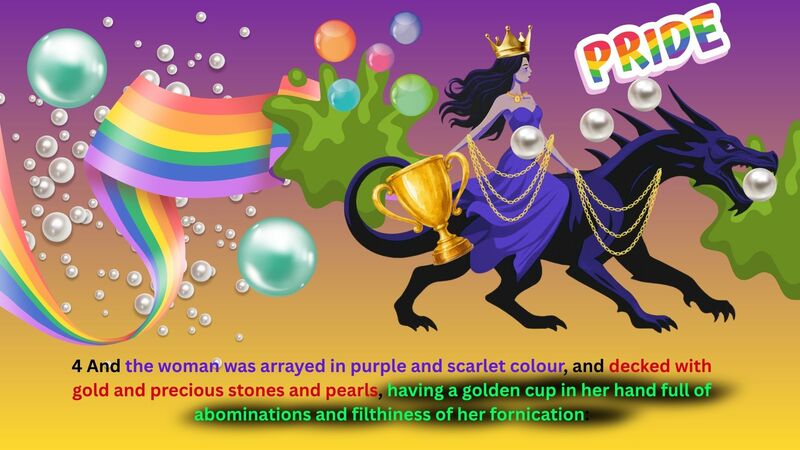
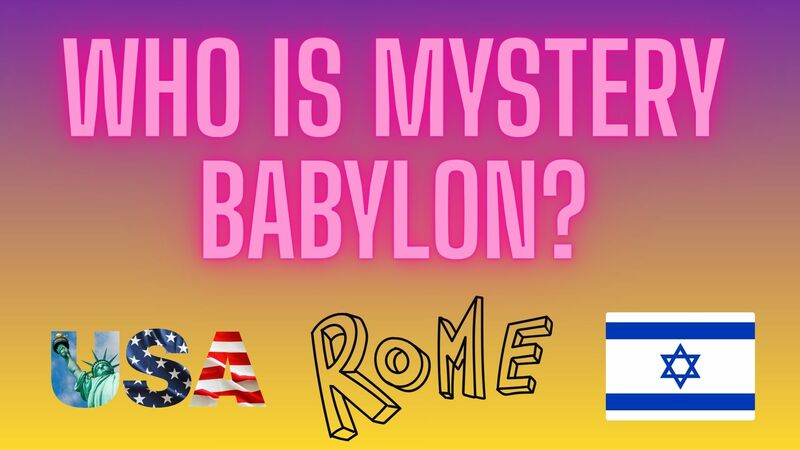
The Great Harlot (The Whore of Babylon): She represents apostate (fallen) religion and a corrupt, seductive global culture. She is adorned in purple and scarlet and holds a golden cup full of abominations, symbolizing the intoxicating appeal of false doctrines, idolatry, and materialism. She is historically interpreted by many as ancient Rome (the reigning city of John's day) or a future, final global system of false worship.
-
The Scarlet Beast: This beast represents political, military, and governmental power that opposes God and His people. The beast "was, and is not, and yet is"—a counterfeit reflection of God's eternal nature, perhaps indicating a final worldly empire that mimics true authority but leads to destruction.
The Symbolism Explained
-
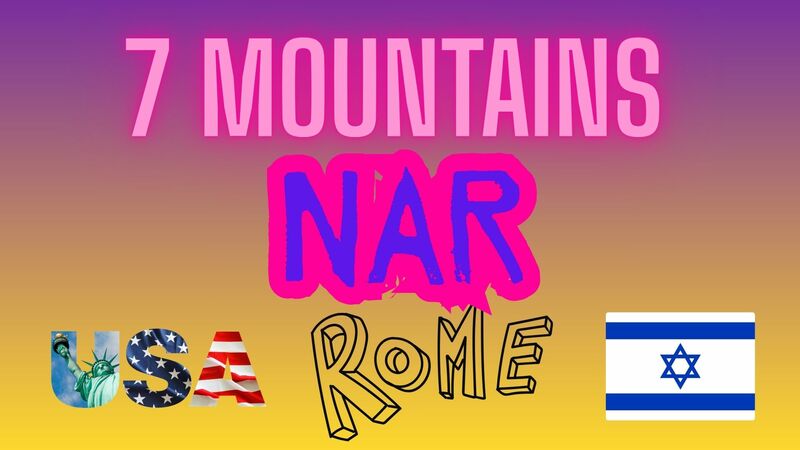
The Seven Heads: These symbolize both the seven mountains the city sits on (historically understood as the seven hills of Rome) and a sequence of earthly, anti-God kingdoms that have oppressed God's people throughout history.
-
The Ten Horns: These represent ten kings or final rulers who will align with the beast to wage war against the Lamb (Jesus Christ), but who will ultimately be used by God to fulfill His purposes.
-
Sitting on Many Waters: The waters represent the global reach of this corrupt system, ruling over "peoples, multitudes, nations, and tongues".
The Climax
The chapter concludes with a dramatic twist: the political powers (the beast and the ten horns) turn on the religious system (the harlot) and destroy her. Ultimately, God places it in the hearts of these secular rulers to destroy this false religious empire, revealing that even the darkest political machinations are still subject to divine sovereignty.