Acts 10 is a major turning point in the New Testament. It tells the story of the Roman soldier Cornelius and the apostle Peter. God uses visions to break down long-standing religious and cultural barriers, proving that the Christian message is meant for all people—both Jews and non-Jews (Gentiles)—on equal terms.
Key Events in Acts 10
-
Cornelius’s Vision: An angel tells Cornelius, a devout Gentile military officer, to send for Peter.
-
Peter’s Vision: Peter sees a sheet filled with various animals lowered from heaven and hears a voice telling him to eat. God uses this to teach Peter that nothing God has made clean should be called unclean.
-
The Meeting: Peter goes to the home of Cornelius, realizing that God shows no partiality toward any specific ethnic or religious group.
-
The Holy Spirit: As Peter speaks about Jesus, the Holy Spirit falls upon the Gentiles present, leading Peter to baptize them.
Core Meanings and Takeaways
-
Inclusion of All People: The gospel is opened up to the entire world, not just the Jewish nation.
-
Removal of Prejudice: Peter's internal traditions and biases are challenged and changed by God.
-
Equal Standing: Gentiles receive the exact same spiritual gifts and standing in the faith as Jewish believers
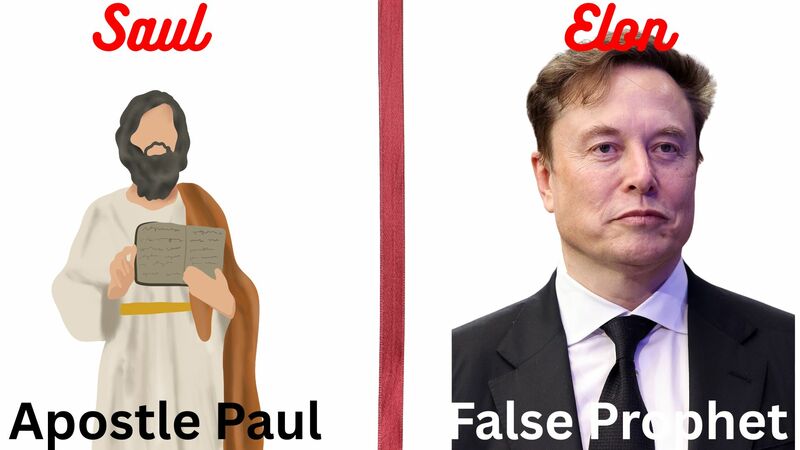
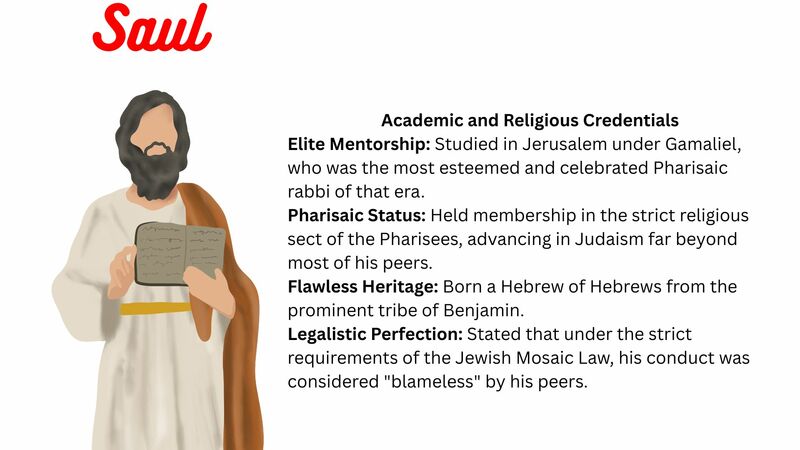
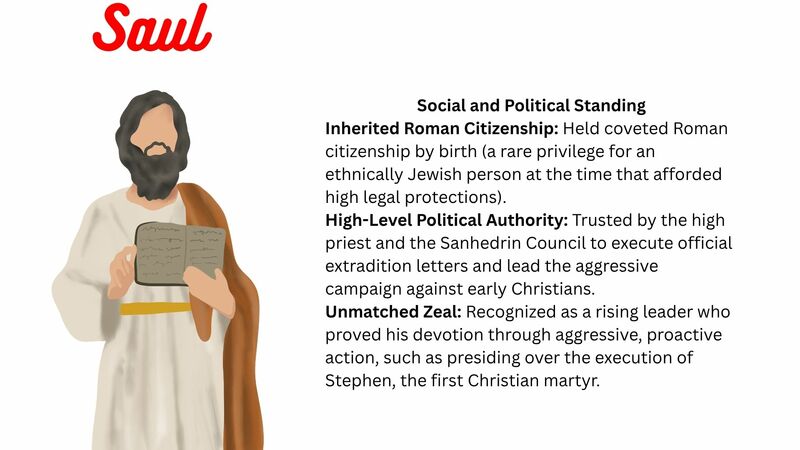
SAUL BECAME PAUL
Saul of Tarsus, later known as the Apostle Paul, achieved profound accomplishments in the early Christian church, including writing 13 New Testament epistles, spearheading three major missionary journeys across the Roman Empire, and effectively opening the faith to the Gentile world.
Major Accomplishments and Contributions
-
New Testament Epistles: Authored 13 letters (from Romans to Philemon) that form the doctrinal backbone of Christian theology.
-
Gentile Mission: Championed the inclusion of non-Jews into the faith without requiring adherence to the entire Mosaic law.
-
Church Planting: Established numerous Christian communities throughout Asia Minor and Europe during extensive missionary travels.
-
Theological Integration: Articulated core tenets of grace, justification by faith, and the identity of the body of Christ.