




Today we finished the last church that Jesus warned. We repented and saw how very frail we are before a holy God! At this point in time this could describe many of us! We must heed these warnings and keep a repentful heart!
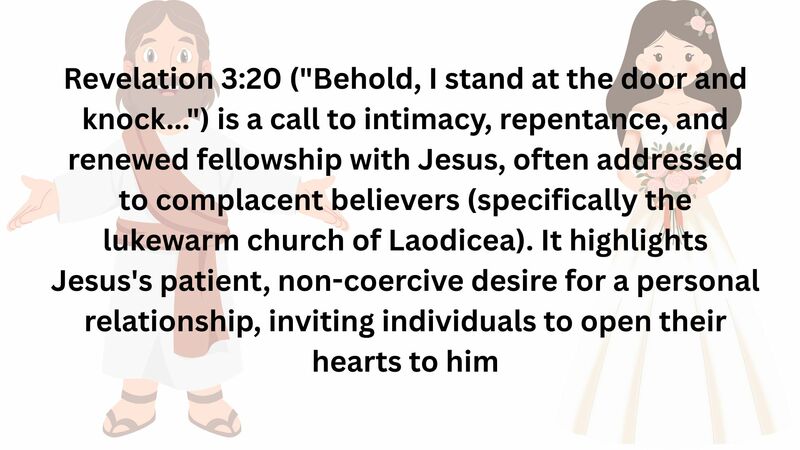
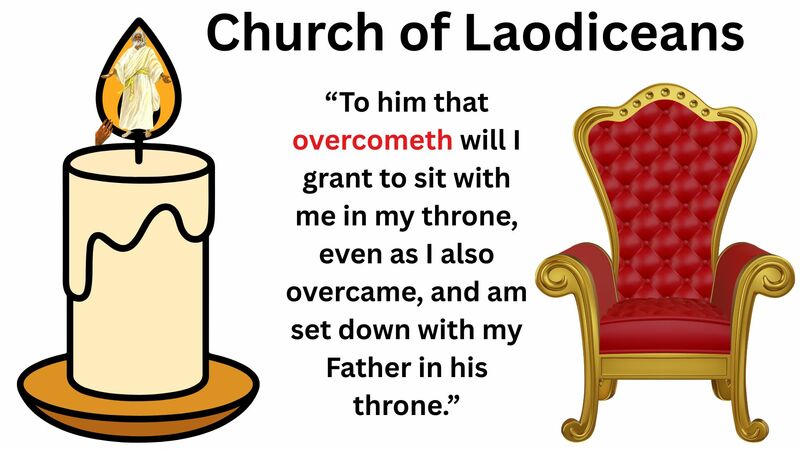
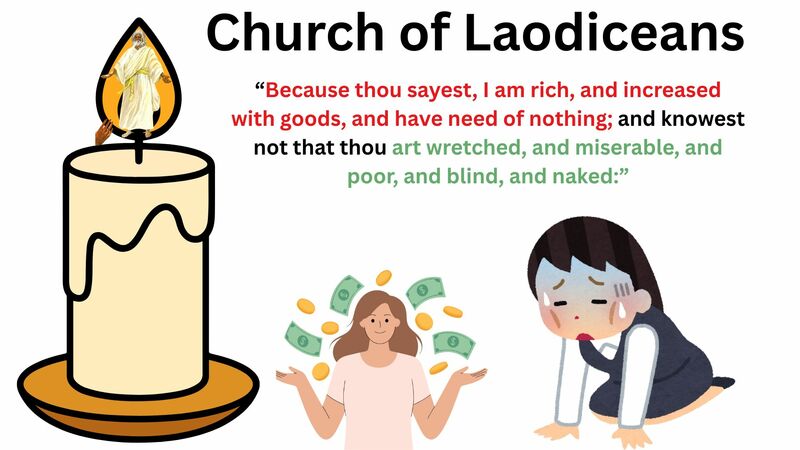
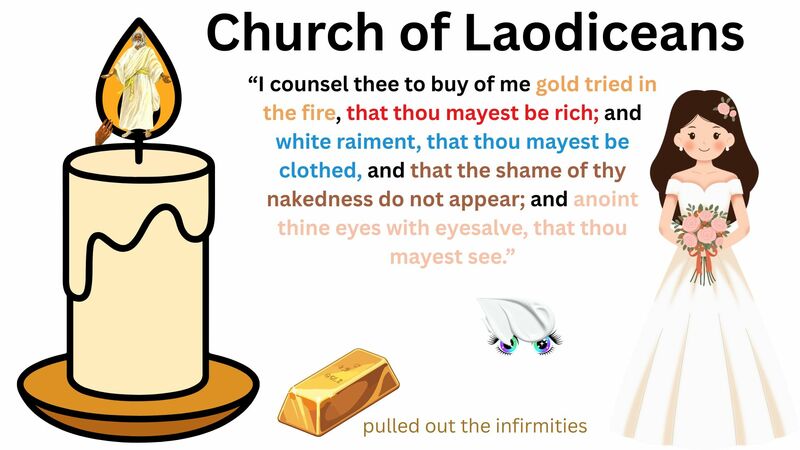
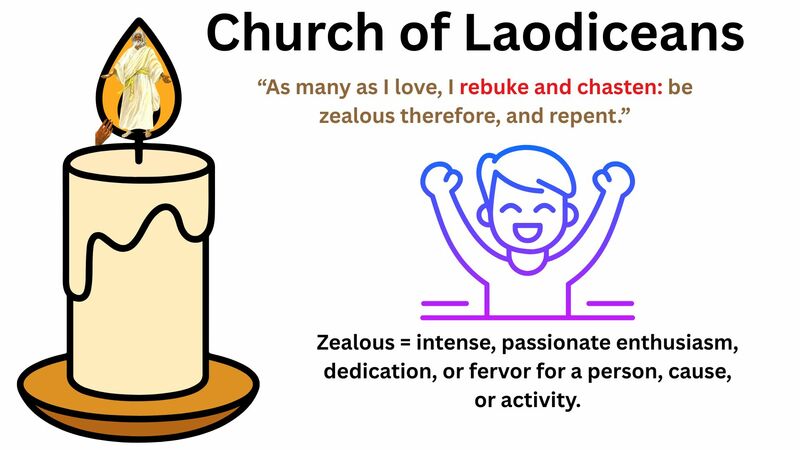
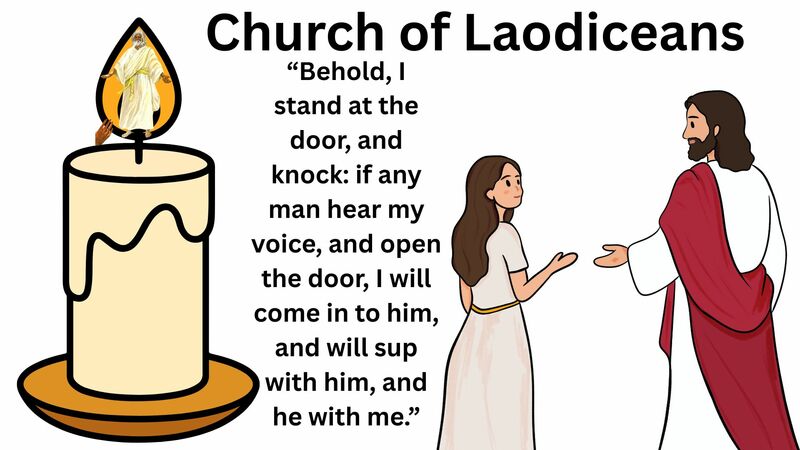
In Revelation 3:14-22, Jesus warns the complacent Laodicean church that their lukewarm, self-sufficient attitude is detestable, threatening to "spit" them out. Due to their material wealth, they mistakenly believed they needed nothing, but Christ exposes them as spiritually wretched, poor, blind, and naked. He commands them to repent and seek true spiritual riches.
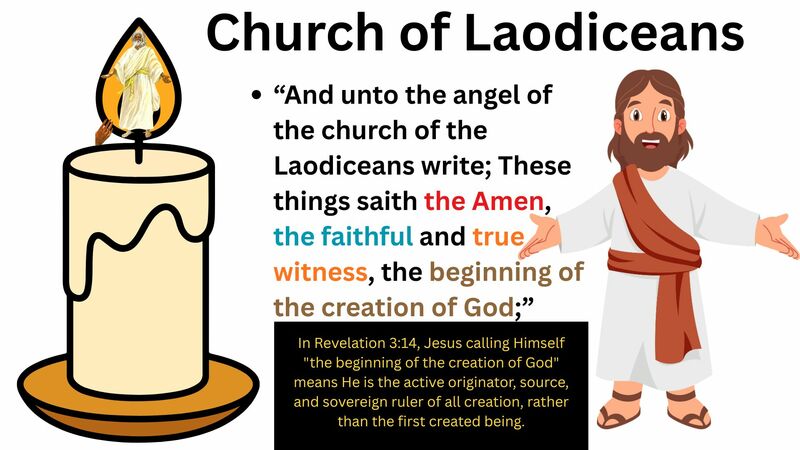
What does it mean in revelation 3 the beginning of the creation of God?
In Revelation 3:14, Jesus calling Himself "the beginning of the creation of God" means He is the active originator, source, and sovereign ruler of all creation, rather than the first created being. Using the Greek word archē, this phrase establishes Christ as the agent through whom God created all things, similar to "Alpha and Omega".
Key Interpretations and Synonyms
-
The Originator/Source: Jesus is the ultimate source of all creation, the one who brought it into existence.
-
The Beginner/Author: The initiator of the creative process.
-
The Ruler/Head: Synonyms include "sovereign," "governor," or "head of creation," emphasizing His authority.
-
The Agent of Creation: He is the one through whom all things were made, not a part of the creation itself.
-
Revelation 3:14 (Context): It is part of a title for Jesus, including "the Amen, the faithful and true witness," emphasizing His divine authority to judge the lukewarm church.
-
Colossians 1:15-17: Related to the concept of "firstborn of all creation," meaning preeminent over all creation.
-
John 1:1-3: Supports the idea that the Word (Jesus) was in the beginning with God and active in all creation.
While some interpretations suggest this means Jesus was the first thing created, most scholars argue that in the context of Revelation's divine descriptions (e.g., Rev 22:13), archē denotes that He is the initiating source.
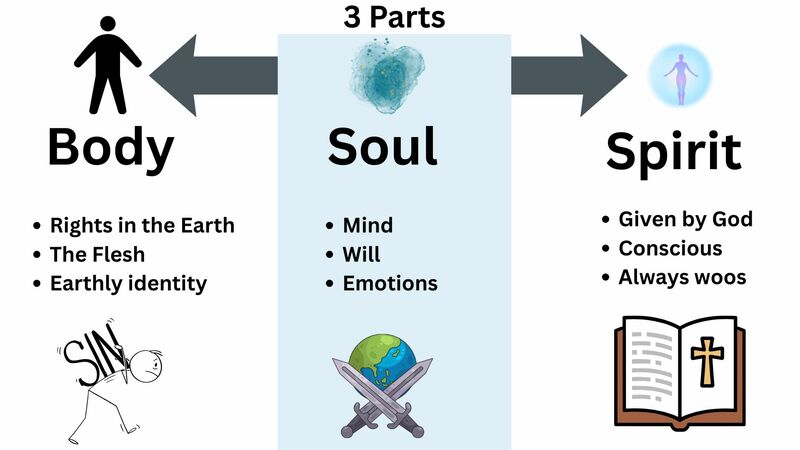
Spirit Goes Back to God
Based on Ecclesiastes 12:7, the phrase "the spirit goes back to God" means that at death, the physical body returns to the dust of the earth, while the "spirit" (or breath of life/individual consciousness) returns to God who gave it. This verse is often interpreted as the spirit returning to its source, God, rather than automatically implying conscious existence in heaven
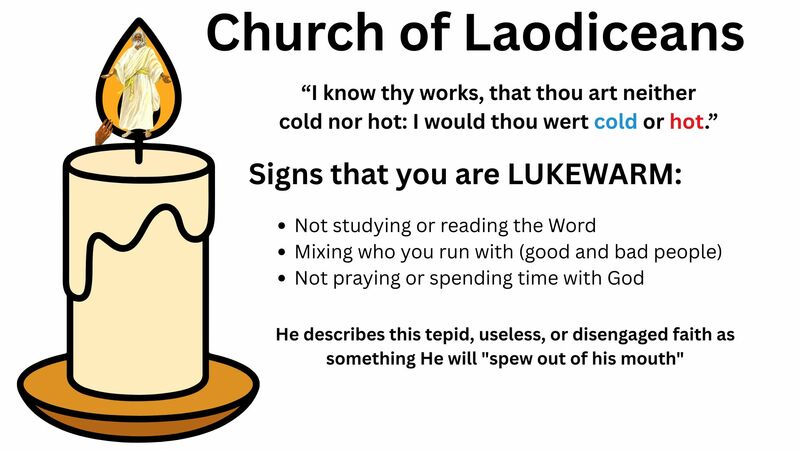
What is a lukewarm christian?
A lukewarm Christian is a professing believer who is indifferent, complacent, and half-hearted in their faith, described in Revelation 3:16 as neither hot nor cold. They believe in God but are not fully committed to Him, often blending in with the world and engaging in only nominal, convenient worship.
Key Characteristics of a Lukewarm Christian:
-
Complacency: They are comfortable with their current spiritual state and lack a deep hunger for God.
-
Convenience-Based Faith: They attend church or pray only when it fits their schedule or during crises.
-
Compromise:
They tend to blend in with secular culture, avoiding the demands of true discipleship.
-
Half-Hearted Commitment: They desire to be saved from the penalty of sin but are not fully surrendered to Jesus as Lord.
-
Lack of Action: They rarely share their faith and do not actively serve or bear spiritual fruit.