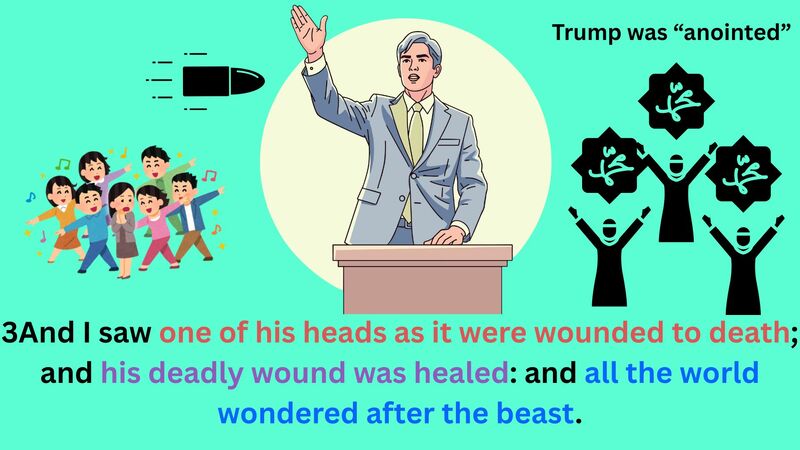
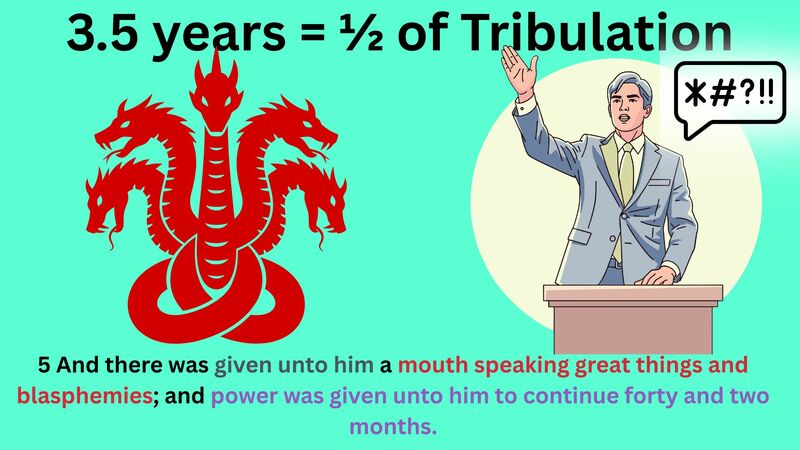
This episode we talked about THE TWO BEASTS. There is another that works with the Antichrist. Dr. June breaks it down.
COMMENTARY:
Revelation 13 describes a "false trinity" of Satan (the dragon) empowering two beasts to deceive the world and persecute Christians during the end times. The first beast (likely a political power/Antichrist) and the second beast (false religious system) demand worship and enforce the "mark of the beast", symbolizing a choice between loyalty to God or the world state.
Key Components of Revelation 13
-
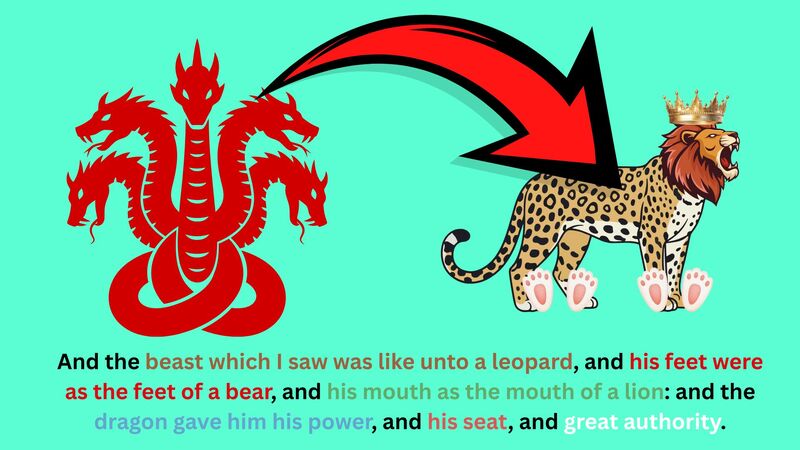
The Dragon (Satan): The source of power behind both beasts, aiming to deceive and destroy the followers of Jesus.
-
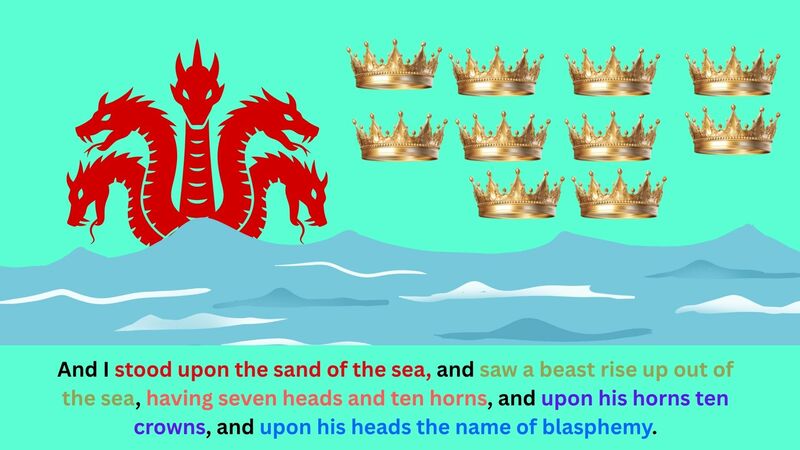
The First Beast (Sea Beast): Symbolizes a totalitarian political power, often interpreted as the Roman Empire in its time or a future antichrist world government. It has seven heads and ten horns, receives a fatal wound that heals (imiting Christ), and blasphemes God.
-
The Second Beast (Earth Beast): Described as having lamb-like horns but speaking like a dragon, this represents a false prophet or corrupt religious system that forces people to worship the first beast.
-
The Mark of the Beast (666): Represents ownership by the beast, preventing those without it from buying or selling. It is commonly interpreted as a symbol of allegiance to a worldly, anti-Christian system, rather than just a physical mark.
-
Significance: It serves as a call for Christians to maintain faith and endurance, even under extreme persecution, trusting that God has already won the victory.
Interpretations
-
Preterist/Historical: Focuses on first-century events, interpreting the beasts as the Roman Empire and Emperor worship (e.g., Nero).
-
Futurist: Views the chapter as a prediction of a future global government and a specific antichrist figure.
-
Symbolic/Idealist: Interprets the beasts as representing any oppressive government or idolatrous ideology that opposes God throughout history.