

Today we talked about more trumpet judgments.
WATCH ON YOUTUBE
Commentary
Revelation 9 describes the fifth and sixth trumpet judgments—the first two "woes"—during the Tribulation, where demonic hordes (locusts) are released from the Abyss to torment humanity, followed by a massive, destructive army. These plagues serve as supernatural judgments, yet humanity refuses to repent of their evil deeds.
Key Aspects of Revelation 9 Meaning:
-
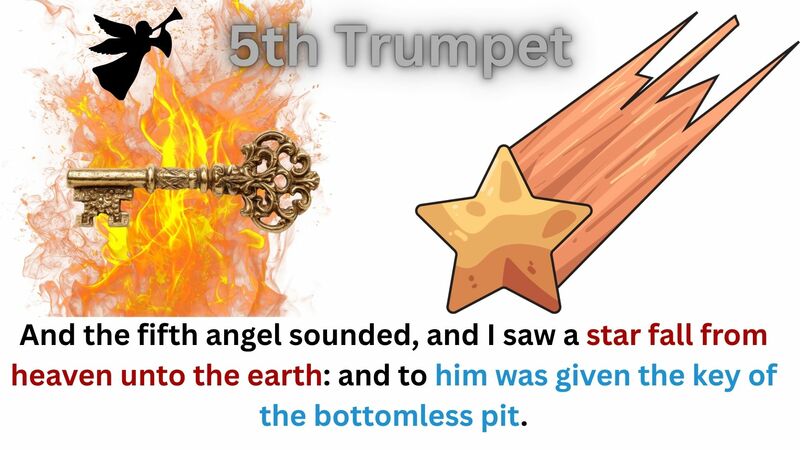
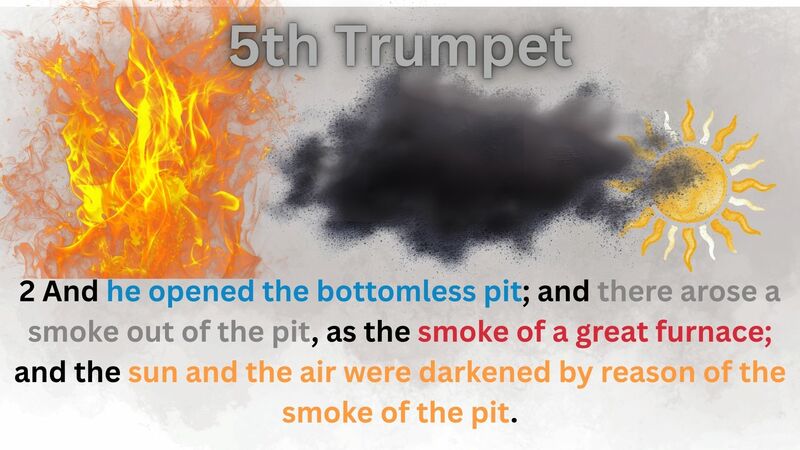
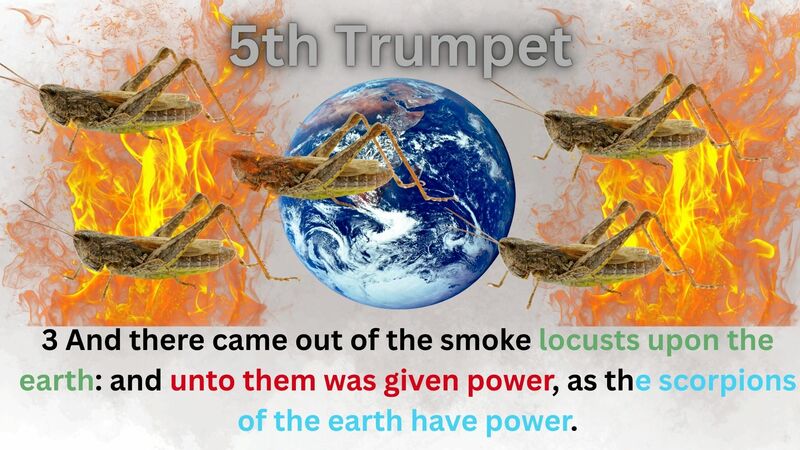
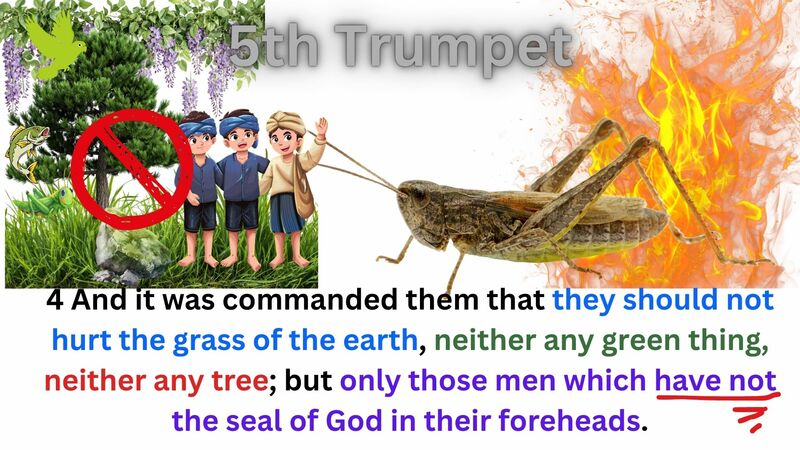
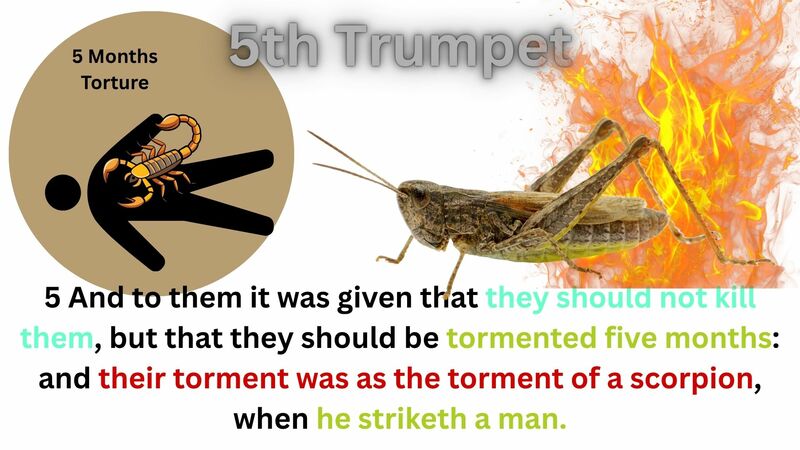
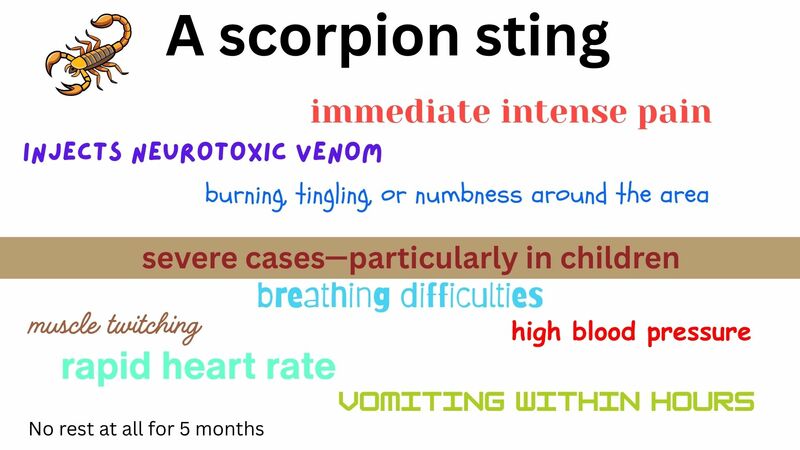
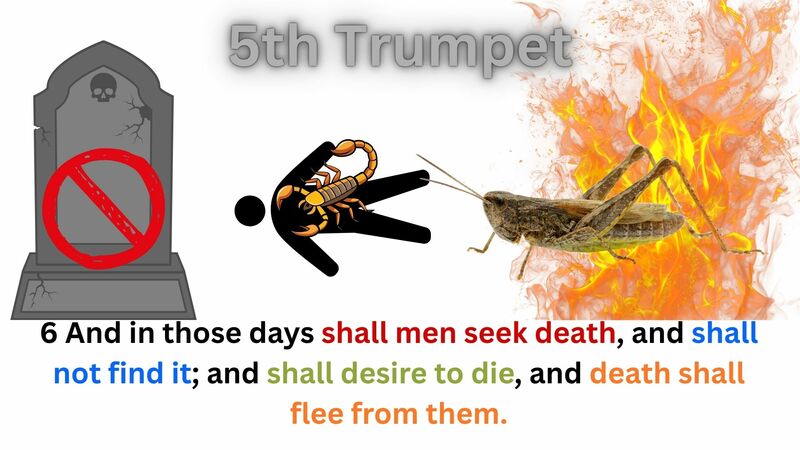
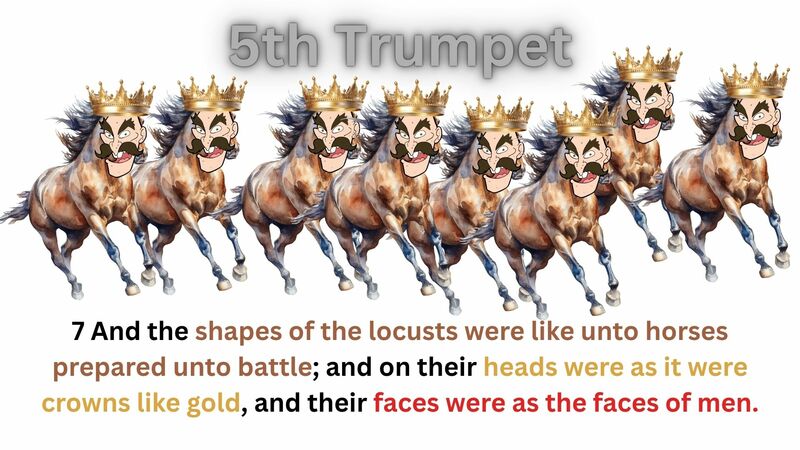
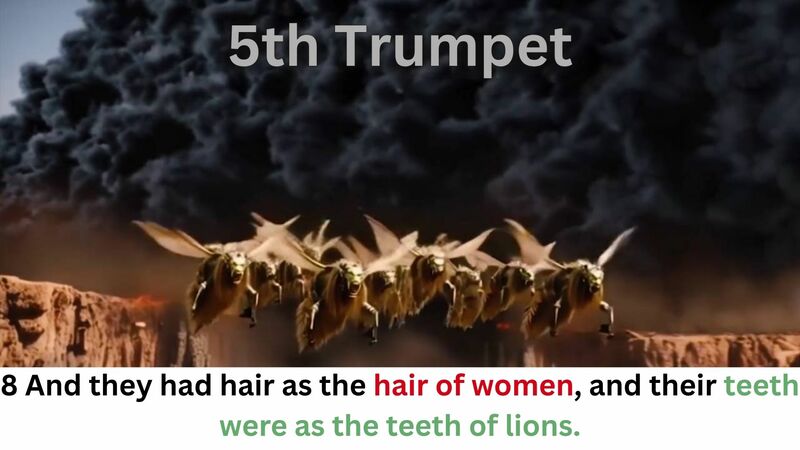
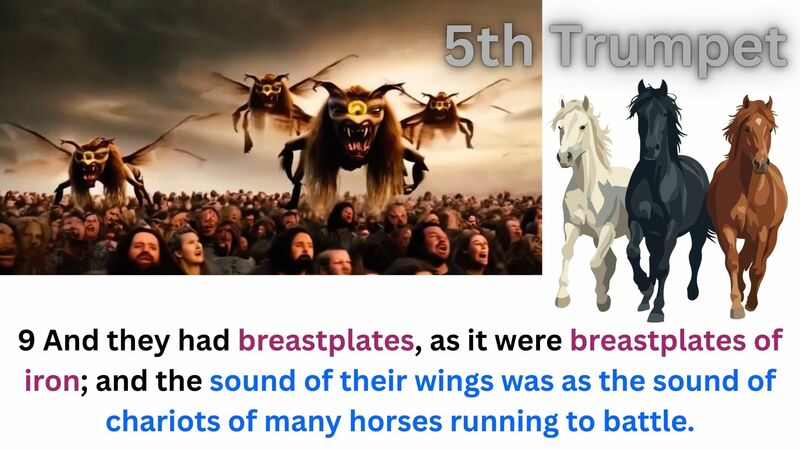
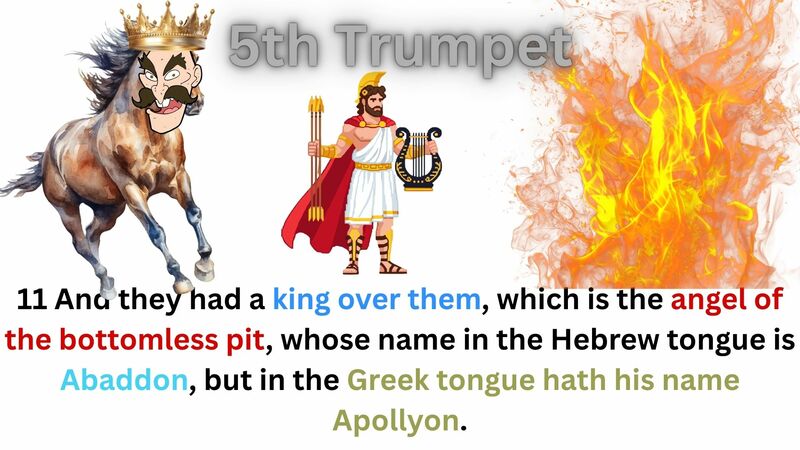
The Fifth Trumpet (First Woe, v. 1-12): A fallen star (likely Satan or a demon) opens the Bottomless Pit (Abyss), releasing demonic "locusts" that look like war horses with scorpion-like tails. They torment, rather than kill, those without God's seal for five months.
-
The Sixth Trumpet
(Second Woe, v. 13-21):
Four angels bound at the Euphrates River are released to kill one-third of mankind using a massive, fiery army.
-
Key Figures: Abaddon (Hebrew) or Apollyon (Greek) is identified as the king over the locusts, meaning "The Destroyer".
-
Purpose: These judgments are sent to punish, but also intended to bring repentance, which humanity fails to do.
Synonyms/Related Concepts:
-
Demonic Invasion/Hordes: The "locusts" are generally interpreted as demons.
-
The Bottomless Pit/Abyss: The prison of demonic forces.
-
The First and Second Woes: References to the fifth and sixth trumpets.
-
Hell on Earth/Tribulation Plague: Describing the intense suffering.
-
The Destroyer: Apollyon/Abaddon.
Usage Examples & Interpretations:
-
Literal Interpretation: Views these as actual, physical demonic beings allowed to inflict torment.
-
Symbolic/Historical Interpretation: Some interpret the "locusts" and "horses" as historical invasions (e.g., Parthian cavalry) or symbolic of spiritual decay.
-
Theological Application: Used to illustrate the severity of God's judgment and the depth of human hardened unrepentance.